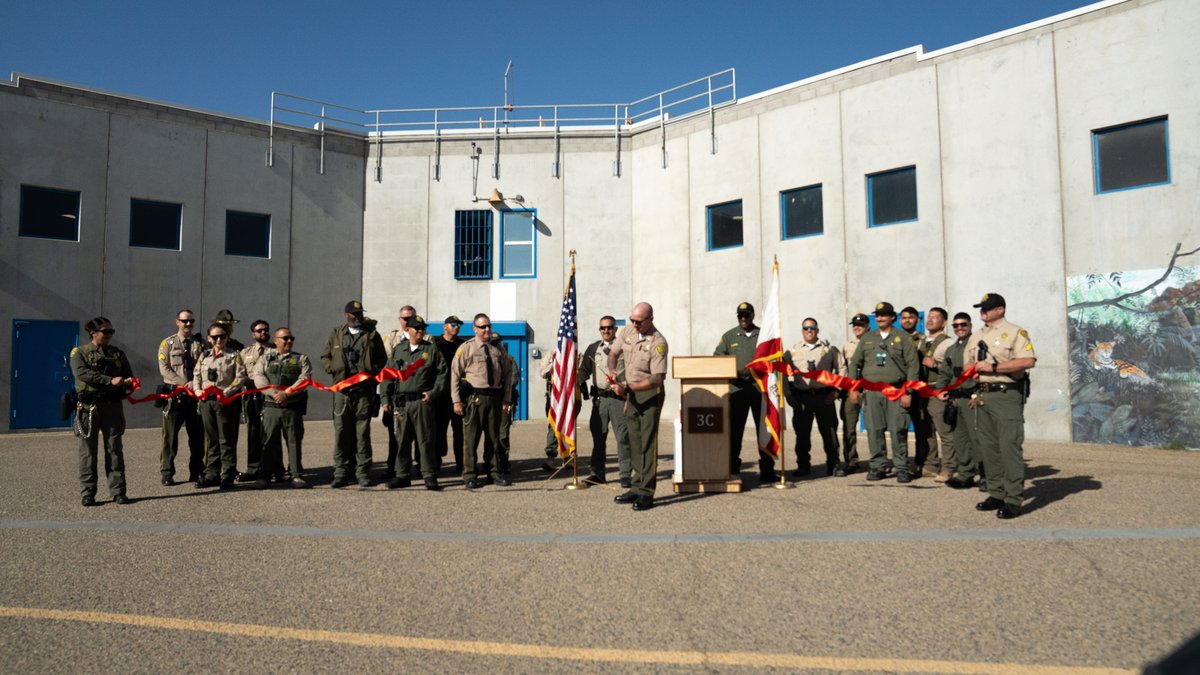
California opened a new rehabilitation housing community at California State Prison Corcoran, marking an expansion of Governor Gavin Newsom's rehabilitation-focused approach to incarceration.
The facility, known as an honor dorm, houses approximately 100 incarcerated people and emphasizes accountability, constructive relationships and preparation for life after prison. The honor dorm offers education, vocational training, and employment preparation, with participation voluntary and subject to eligibility requirements including classification, behavior and readiness to engage in programming.
This expansion builds on the California Model first demonstrated at San Quentin State Prison. The San Quentin Rehabilitation Center's Learning Center, an 81,000-square-foot facility, opened in 2026 and provided space for education, workforce training, and reentry preparation. The honor dorm initiative at Corcoran repurposed former death row housing to create an environment recognizing positive behavior and commitment to rehabilitation.
Staff play a central role in the initiative, shaping how the community operates. "Public safety doesn't end at the prison gate – it means holding people accountable while giving them the tools to change, prepare for a job and return to their communities ready to contribute," Governor Newsom said. California Department of Corrections and Rehabilitation Secretary Jeff Macomber said the goal is for people to use their time in prison productively and leave better prepared for the responsibilities ahead.
California's rehabilitation programs show measurable outcomes. According to the California Department of Corrections and Rehabilitation, 81.5 percent of people who earned Rehabilitation Achievement Credits remained conviction-free three years after release. Among those who earned Educational Merit Credits, 76.7 percent remained conviction-free, while 66.7 percent of those who participated in general rehabilitation programming did so. National research found that people who participate in correctional education programs are 43 percent less likely to return to prison.