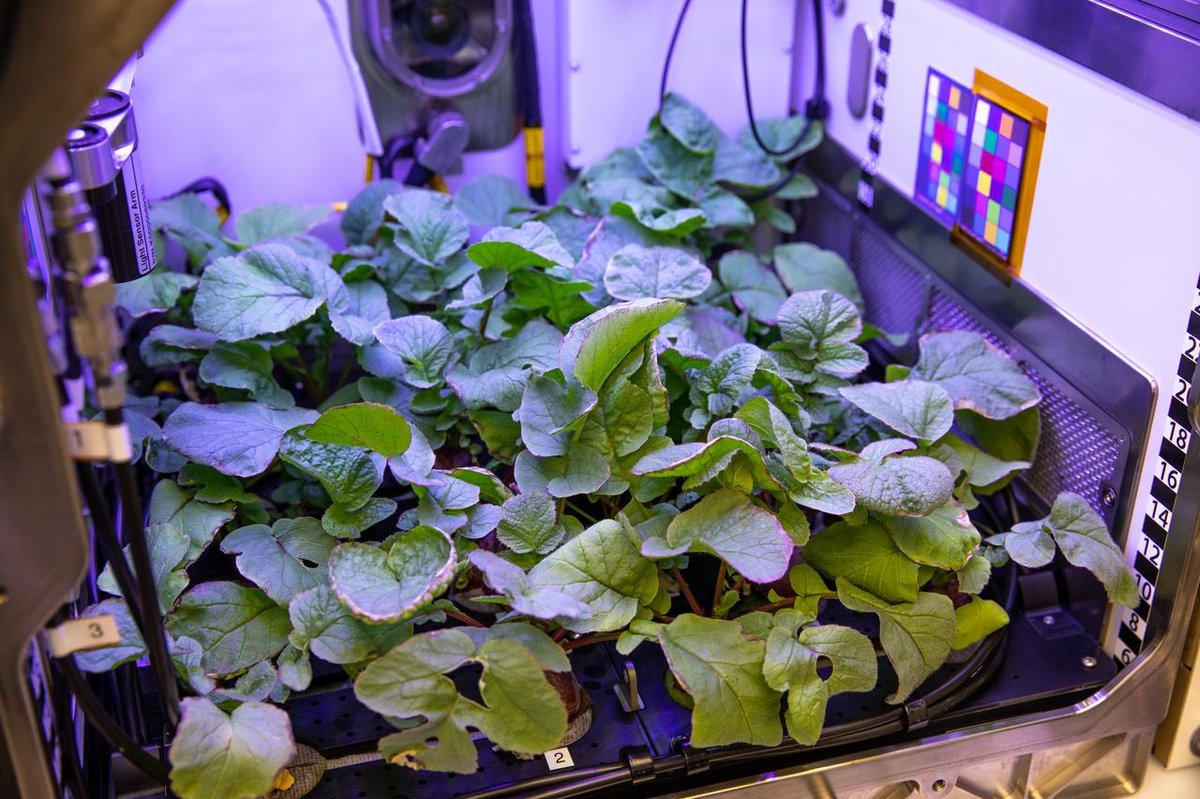
NASA selected 12 new investigations to support human space exploration, with six focused on producing food off-planet and six studying how spaceflight affects astronaut health.
The Space Crops grants will support research into how edible plants grow and survive in space or on other planetary bodies, as well as how certain plant species called resurrection plants withstand extreme dry conditions. One proposal will study algal genes modified by spaceflight to help scientists develop biological life-support systems.
The six health-focused proposals will examine the effects of lunar dust on respiratory and immune function, identify repurposed drugs that can mitigate health impacts of space travel, and assess how radiation combined with other stressors affects aging in different organ systems. The research aims to develop early-warning detection systems to alert crews of potential health concerns.
The principal investigators come from 10 institutions across eight states, with nine researchers receiving Space Biology Program funding for the first time. When fully implemented, the awards will total more than $7 million in grant money distributed across fiscal years 2026 through 2030.